
Website designing in India has undergone a remarkable transformation over the last three decades. From basic static HTML pages to intelligent, AI-powered, user-centric digital experiences, India has emerged as one of the world’s leading hubs for web design and development.
This article explores the history of website designing in India, its evolution, major trends, and what the future of web design in India looks like in 2026 and beyond.
Introduction to Website Designing in India
Website designing is the process of creating visually appealing, functional, and user-friendly websites. In India, web design has evolved alongside internet adoption, IT growth, and digital transformation across industries.
Today, India is globally recognized for:
Skilled web designers and developers
Cost-effective digital solutions
Strong UI/UX and front-end expertise
Rapid adoption of modern web technologies
Early History of Website Designing in India (1995–2000)
The Beginning of the Internet Era
Website designing in India started in the mid-1990s, when internet access was limited to government bodies, educational institutions, and large corporations.
Key Characteristics:
Static HTML websites
Text-heavy layouts
Basic images and hyperlinks
No mobile responsiveness
Dial-up internet compatibility
Most websites were purely informational, focusing on company profiles and contact details.
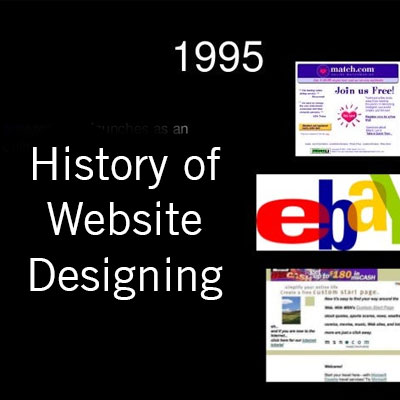
Growth Phase of Web Design in India (2000–2010)
Rise of IT & Outsourcing
With the IT boom in cities like Bangalore, Pune, Hyderabad, and Delhi, website designing became a professional service.
Major Developments:
Introduction of CSS for better layouts
Flash-based animations
Table-based designs
Corporate and business websites
Outsourcing projects from the US and Europe
During this period, Indian web designers gained global exposure and experience.

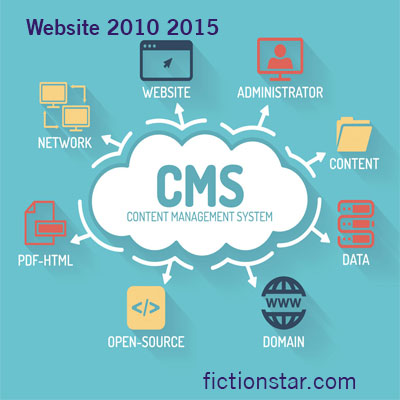
Evolution of Dynamic & CMS Websites (2010–2015)
Dynamic Websites Take Over
This era marked a shift from static websites to dynamic, database-driven websites.
Important Changes:
PHP, ASP.NET, and MySQL adoption
Content Management Systems (CMS) like WordPress, Joomla, Drupal
Blogging and news portals
E-commerce websites
Improved loading speed and navigation
Indian businesses began understanding the importance of an online presence for growth.
Mobile-First & Responsive Web Design Era (2015–2020)
Smartphone & Mobile Internet Boom
With affordable smartphones and 4G internet, mobile users exploded in India.
Web Design Trends:
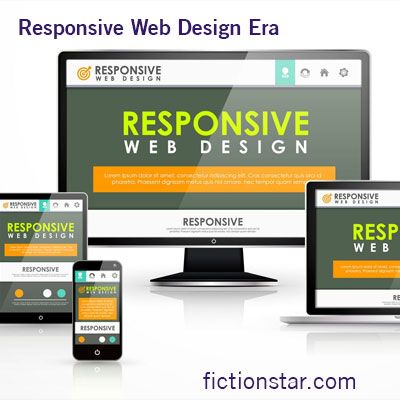
Responsive web design
Mobile-first layouts
Google SEO optimization
Faster page loading
Minimalistic UI design
Integration with social media platforms
This period established SEO-friendly website designing as a core requirement.
Modern Website Designing in India (2020–2025)
User Experience Becomes King
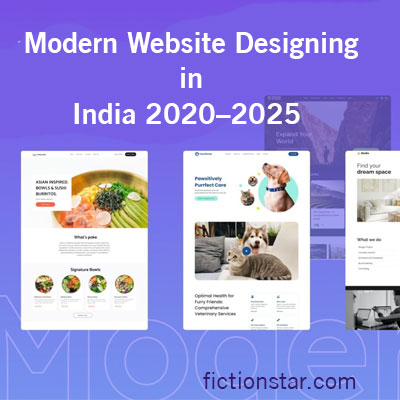
Website designing shifted focus from just looks to UX (User Experience) and UI (User Interface).
Key Trends:
UI/UX design thinking
Single-page applications (SPA)
React, Angular, Vue.js
Core Web Vitals optimization
Dark mode designs
Accessibility (WCAG compliance)
Businesses started demanding conversion-focused websites rather than just attractive designs.
Current Trends in Website Designing in India (2026)
As of 2026, website designing in India is shaped by innovation, AI, and personalization.
Top Web Design Trends in 2026:
AI-powered website design tools
Personalized user experiences
Voice search optimization
Chatbot and AI assistant integration
Headless CMS architecture
Progressive Web Apps (PWA)
Motion UI and micro-interactions
Faster performance with Core Web Vitals focus
Indian web designers are now creating future-ready, scalable, and intelligent websites.
Role of AI in Website Designing (2026)
Artificial Intelligence has revolutionized website designing in India.
AI Applications in Web Design:
Automated layout suggestions
AI-generated content
Smart chatbots
Predictive UX personalization
Image optimization and generation
AI-based SEO analysis
Websites are now designed not just for users, but also for AI search engines and answer engines like ChatGPT, Gemini, and Grok.
SEO & AI-Friendly Website Designing in India
Modern website designing in India focuses on Search Engine Optimization (SEO) and AI readability.
Best Practices:
Clear heading structure (H1–H3)
Semantic keywords
Natural language content
Fast loading speed
Mobile-first design
Schema markup
Internal linking
High-quality UX
These factors help websites rank higher on Google and get featured in AI-generated answers.
Future of Website Designing in India (2026 & Beyond)
The future of website designing in India looks highly innovative and AI-driven.
What to Expect:
Fully AI-designed websites
Voice-controlled interfaces
AR/VR-based web experiences
No-code & low-code platforms
Hyper-personalized websites
Strong focus on sustainability and performance
Indian web designers and development companies will continue to lead globally.
Why Indian Web Designers Are Globally Competitive
India stands out because of:
Skilled talent pool
Affordable pricing
Strong technical education
Global project experience
Rapid adoption of new technologies
Cities like Indore, Bangalore, Mumbai, and Delhi are emerging as strong web design hubs.
Conclusion
The history of website designing in India reflects the country’s rapid digital growth. From simple HTML pages to advanced AI-powered websites, Indian web design has evolved continuously to meet global standards.
As we move forward in 2026, website designing in India is no longer just about visuals—it’s about experience, performance, SEO, and AI compatibility.
Businesses that invest in modern, SEO-friendly, and AI-ready website design will gain a strong competitive advantage.